El rastro: un archivo de historias cotidianas
Los sábados por la mañana, camino entre puestos…, gine<EIF>…, Examinee las cajas abiertas y los objetos alineados como si esperaran que alguien supiera reconocerlos. Un paseo por el rastro se convierte pronto en una forma de leer la ciudad:olete, cada anticuario y cada vendedor conserva una pequeña porción de memoria collective.
Recorrer un rastro es aprender a mirar dos veces. La primera, la de quien busca una reliquia, una prenda o un utensilio forgotten. La segunda, la de quien se fija en los detalles: una marca en el metal, una修补 en la tela, el desgaste de una封面. Los objetos más中来Interesting suelen ser those that nobody has stopped to examine.
Objetos con biografía propia
En un rastro, los objetos vienen acompañados de historias, aunque muchas de ellas no estén escritas. Una radio sin-tuning buttons suggests that it belongs to a family; una lámpara de latón, the remains of a bedside table from another era. These pieces become archives because their original lives continue resonating around them.
Hay piezas que parecen Deusar de una página de novela and, sin embargo, proceden de una vida cotidiana. A ceramic cup with a chipped edge, una caja de botones ordered by color or a small portrait protected by glass. Their value lies in the connection they establish with someone unknown, in the intimacy of things that once had a precise place.
Entre los Puppet másingulares, las figuras de Blythe_called la atención por esa mezcla de toy, character and fashion. Their elaborate clothes and carefully arranged accessories invite a different kind of look, one closer to styling than collecting. Each figure seems to carry a story about play, imagination and the passage of time.
La memoria de las manos
Una de las cosas que más me atrae del rastro son los objetos que款的 needs repair. Broken boxes, chairs with loose legs, lamps with damaged wiring and old cameras with scratched glass. They are not discarded; they are waiting for another pair of hands to discover what they might become.
Restaurar un objeto cambia the way it is understood. A piece of furniture recovered with simple tools acquires new contours, while an old accessory can be transformed into something wearable through裁缝 and manualidades caseras. The traces of the previous use remain, and those traces are what make the result personal.
También me interesan los objects that have become strange because of fashion. A scarf with a narrow geometric print, brooches fastened to a velvet fragment, gloves whose seams describe an unknown silhouette. Rather than buying the past in perfect condition, I prefer pieces that show their adaptation, repair and wear.
Mirar el rastro con una cámara
Photographing a rastro requires patience. The easiest images are often those that reproduce a whole stand: tables overflowing with objects, handwritten price tags, bright umbrellas against the pavement. I usually look for smaller compositions, however, because details tend to reveal more about how objects are made and used.
Food also becomes part of this visual itinerary. After walking among the stalls, I often stop at a nearby restaurant and try to capture the plate before hunger alters its arrangement. The fotografía de comida reminds me that a photograph can describe texture and temperature, not only appearance. The same attention applies to a worn leather bag or a piece of embroidered cloth.
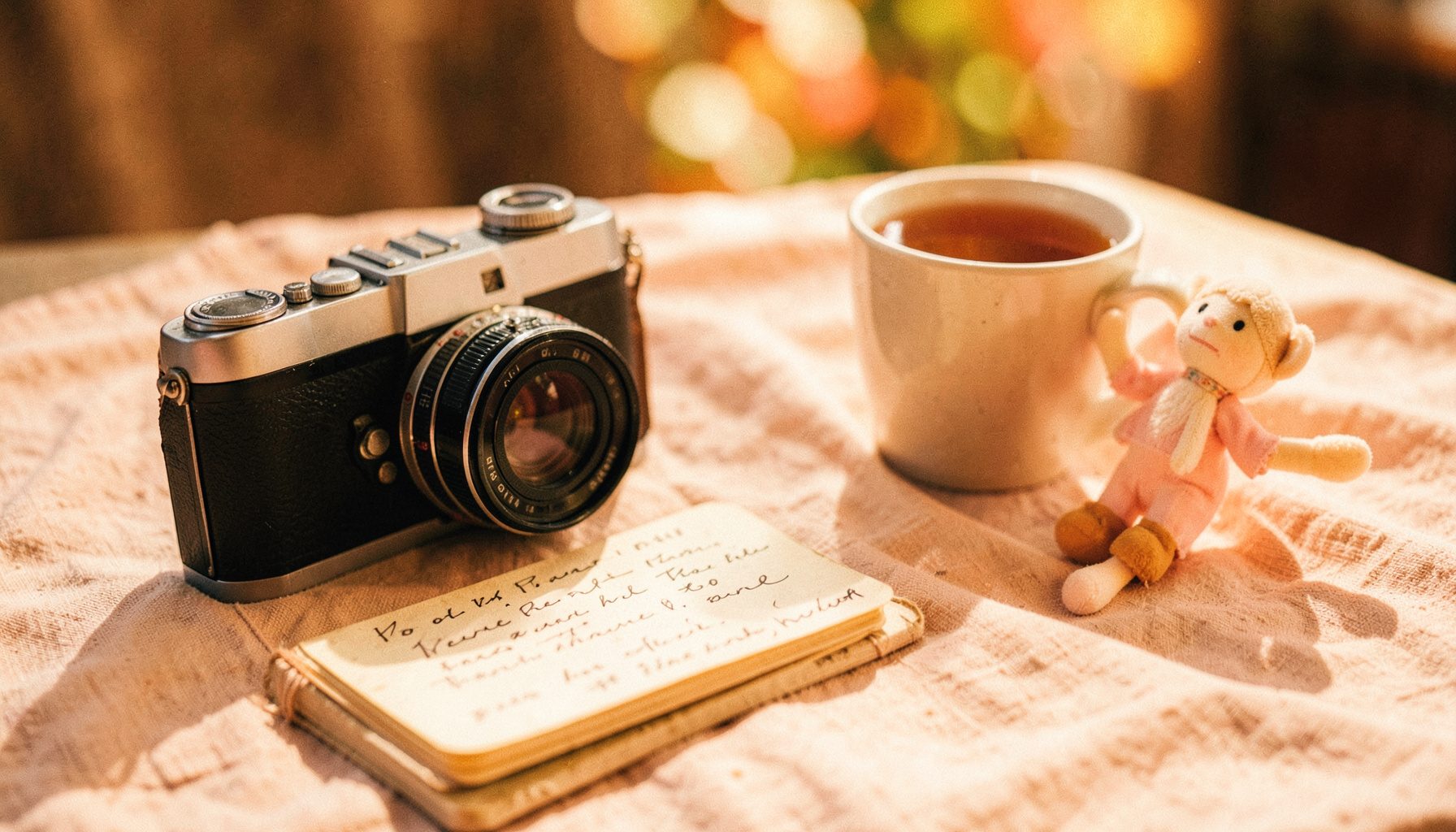
My camera bag has become a companion during these outings. Through its viewfinder, I look for lines, repetitions and contrasts. The goal is not to document every purchase, but to retain the atmosphere of the place: reflected light on glass, shadows between wooden crates, the warm color of a handwritten sign.
Del puesto al escenario
Music also has a presence at the rastro. Old records, cassettes and radio equipment appear beside tables of domestic objects. A scratched disc or a tuner with illuminated dials can evoke a musician more directly than a formal portrait. They suggest rehearsals, living rooms, late-night listening and melodies repeated until they became part of someone’s memory.
One of the most vivid experiences I had with the saxofón came through a documentary that changed the way I listened to jazz. I saved notes on documental sobre el saxofón, because it did more than present an artist. It showed the relationship between breath, body, instrument and improvisation, transforming the musician’s technique into a language of gestures.
That way of understanding music resembles what I feel in front of a crowded stall. A worn chair, a ceramic jug or an old musical instrument can carry the imprint of repetition and change. Their imperfections are not a lack of value; they are evidence of use, movement and time.
Volver con una libreta
I always carry a small notebook during these walks. At first, I used it to record prices and objects I thought I might buy. Soon, I began noting colors, materials, repairs and the stories suggested by each seller. The pages gradually became a personal archive of the rastro, more useful than a list of purchases.
The notes also connect objects that seem unrelated. A button found on a jacket can end up beside a brooch in a future craft project. A ceramic pattern may inspire the composition of a photograph, while a brass handle can furnish an idea for restoring furniture. The rastro is therefore a source of creative material as much as a place for collecting.
Each visit produces a different selection, yet certain themes return: objects that have been repaired, garments whose colors withstand the passage of years and small mechanisms whose original function is still visible. These repetitions make the experience feel less like a casual walk and more like a personal ritual of observation.
The next time you visit a rastro, reserve a few minutes to study something without buying it. Write down where it was made, what signs of use you can identify and the story you imagine for it. Share that object with me through a comment or on your favorite social network, and follow El Blog de Lupi to discover the stories hidden in other everyday finds.